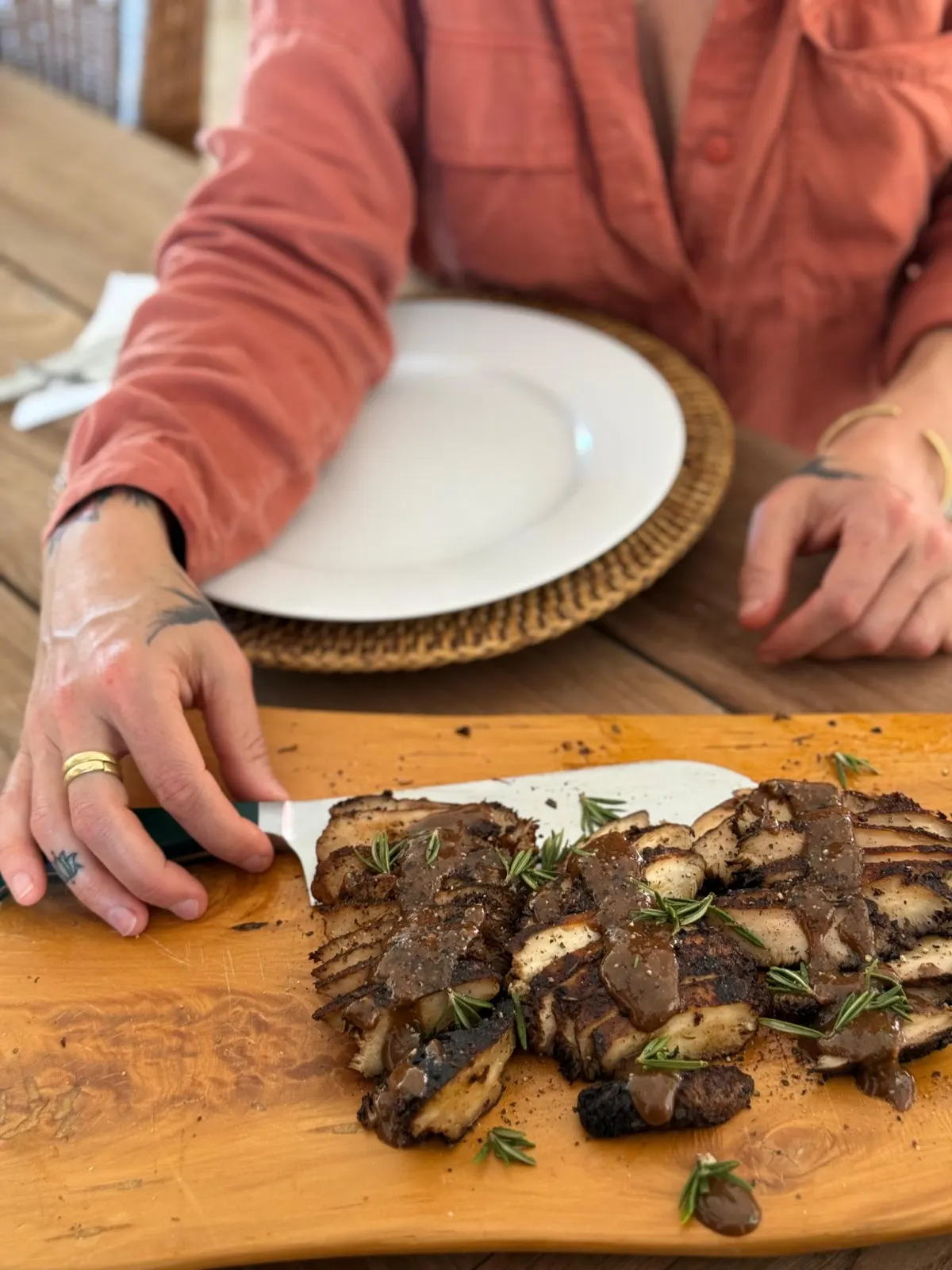
Mushrooms, including Lion's Mane, have been used as a therapeutic food for a long time.
For example, the first written record of the lion's mane mushroom (Hericium erinaceus) dates back to the Tang Dynasty in China (618–907 AD), where it was documented as a medicinal and culinary delicacy reserved for royalty.
Historically, it was most commonly used to support digestive health, recovery from fatigue, and general wellbeing. Traditional preparations typically involved simmering the mushroom in soups or broths before consumption (Thongbai et al., 2015; Ying & Ying, 1987).
Traditional Use and Contemporary Research
While Lion's Mane is now widely known for its potential cognitive benefits, this area of research is relatively new.
Scientific interest in brain health emerged during the 1990s, when researchers began investigating compounds found in Lion's Mane, particularly hericenones and erinacines. Before this, most traditional use focused on gastrointestinal health rather than cognition.
Today, research continues to explore both areas.
The Gut-Brain Connection
Recent studies have highlighted the close relationship between digestive health and cognitive function, often referred to as the gut-brain axis.
Researchers have investigated Lion's Mane for its potential role in supporting the gut microbiome, maintaining intestinal barrier integrity, and supporting healthy inflammatory responses.
While research is ongoing, these findings may help explain why Lion's Mane has traditionally been used to support digestive health.
Mushroom Consumption and Cognitive Health
Scientists have also examined whether regular mushroom consumption is associated with healthy cognitive ageing.
Several population studies have reported that people who consume mushrooms regularly tend to perform better on measures of cognitive function as they get older.
Although these studies examine mushroom consumption more broadly rather than Lion's Mane specifically, the findings have contributed to growing interest in mushrooms as part of a healthy diet.
The Singapore Study
One of the largest studies examined 663 adults over the age of 60 in Singapore.
Researchers found that individuals who consumed mushrooms more than twice per week were less likely to develop mild cognitive impairment than those who consumed mushrooms less frequently.
Research: (Feng et al., 2019)
The UK Study
A later study followed more than 5,000 adults in the United Kingdom over a 20-year period.
Researchers reported that regular mushroom consumption was associated with better preservation of cognitive function during ageing.
Research: (Cha et al., 2024)
Why Lion's Mane Has Become Popular
Research linking mushroom consumption with cognitive health, together with clinical studies investigating Lion's Mane directly, has helped drive interest in this species.
Today, Lion's Mane is widely used in supplements, functional foods, and beverages focused on cognitive health and healthy ageing.
Research
- Thongbai, B., Rapior, S., Hyde, K.D. et al. (2015). Hericium erinaceus, an amazing medicinal mushroom. Mycological Progress.
- Ying, J. & Ying, J. (1987). Icons of Medicinal Fungi from China. Science Press.
- Feng et al. (2019). The Association between Mushroom Consumption and Mild Cognitive Impairment. Journal of Alzheimer's Disease.
- Cha et al. (2024). The Relationship between Mushroom Intake and Cognitive Performance. Nutrients.